
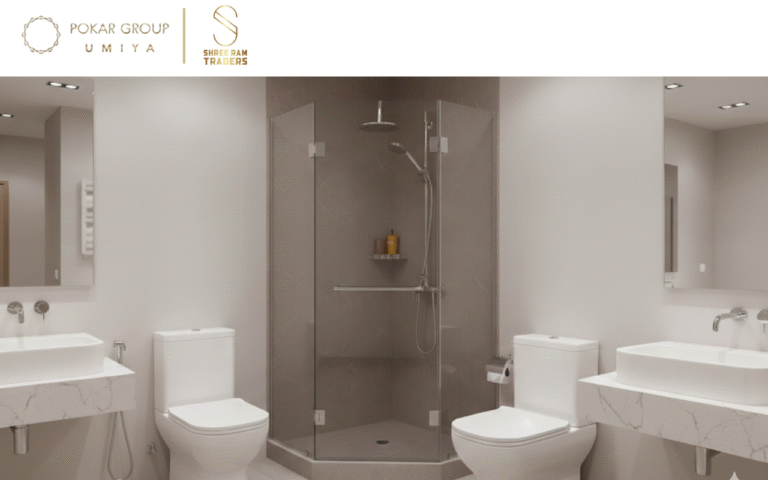
I’ll be honest—most people don’t think about sanitaryware and pipes until the day something goes wrong. A leaking joint at midnight, a blocked drain before guests arrive, or a toilet that suddenly refuses to cooperate has a way of changing priorities very fast. After more than ten years of being around construction sites, homes under renovation, and buildings in daily use, I’ve learned that these systems quietly decide how comfortable life inside a space really feels. You can have the most expensive tiles and designer mirrors, but if the water pressure is inconsistent or there’s a persistent smell from the drain, nothing feels right. I’ve stood in finished bathrooms that looked stunning but felt poorly thought out the moment you used them. On the flip side, I’ve also walked into very ordinary-looking spaces that simply worked—no noise in the pipes, smooth drainage, clean finishes, and a sense that everything was built to last. That difference almost always comes down to decisions made long before the walls were closed. Sanitaryware isn’t just a visual choice; it’s something you interact with every single day. Pipes aren’t just technical components; they are what make that daily experience smooth or stressful. Once you start seeing plumbing this way, you stop treating it as a background detail and start treating it as a foundation for everyday comfort.
Over the years, what experience teaches you—sometimes the hard way—is that good materials alone are not enough. I’ve seen high-quality pipes fail because someone rushed installation or ignored basic principles like proper slope, spacing, or allowance for expansion. I’ve also seen inexpensive setups perform surprisingly well because they were planned carefully and installed with patience. Pipes today are far better than what we had a generation ago, but they still need respect. Hot water behaves differently than cold, pressure changes over time, and buildings move more than people realize. Ignoring these realities is where long-term problems begin. Sanitaryware follows the same rule. A toilet that looks great in a showroom may not suit a family with kids. A sleek basin may splash water everywhere if paired with the wrong faucet. Water-saving fixtures are often misunderstood too—I’ve heard people worry they won’t perform well, but when chosen correctly, they do their job efficiently without any compromise in comfort. The most satisfying projects I’ve worked on are the ones where everything feels balanced. Nothing is overdone, nothing feels cheap, and every element supports the other. When sanitaryware and pipes are chosen as part of one connected system, daily use feels natural, almost invisible, which is exactly how it should be.
If there’s one thing I’ve come to believe deeply, it’s that sanitaryware and pipes are not the place to gamble or experiment blindly. They reward thoughtful decisions and punish shortcuts. Once installed, they’re difficult and expensive to change, which is why honesty at the planning stage matters so much. Not every home needs luxury fittings, and not every project needs the most advanced system on the market—but every space needs solutions that make sense for how people actually live and use water. I’ve had the most appreciation from clients months or even years later, when they tell me they’ve had no issues, no leaks, no unexpected repairs. That’s the kind of success that doesn’t show up in photographs but matters the most in real life. As trends come and go, and as new technologies enter the market, the core goal remains unchanged: clean water in, waste out, quietly and reliably. When sanitaryware and pipes do their job without drawing attention to themselves, they improve daily life in ways most people never consciously notice. And from someone who has seen both sides—failures and successes—that quiet reliability is what truly makes a building feel well made.